
Choosing a wedding videographer in Toronto, Oakville and Mississauga is about more than finding someone with a camera. The questions below can help you understand what you are actually getting, how the day will be covered, and what the finished film will look like.
What does their style actually look like?
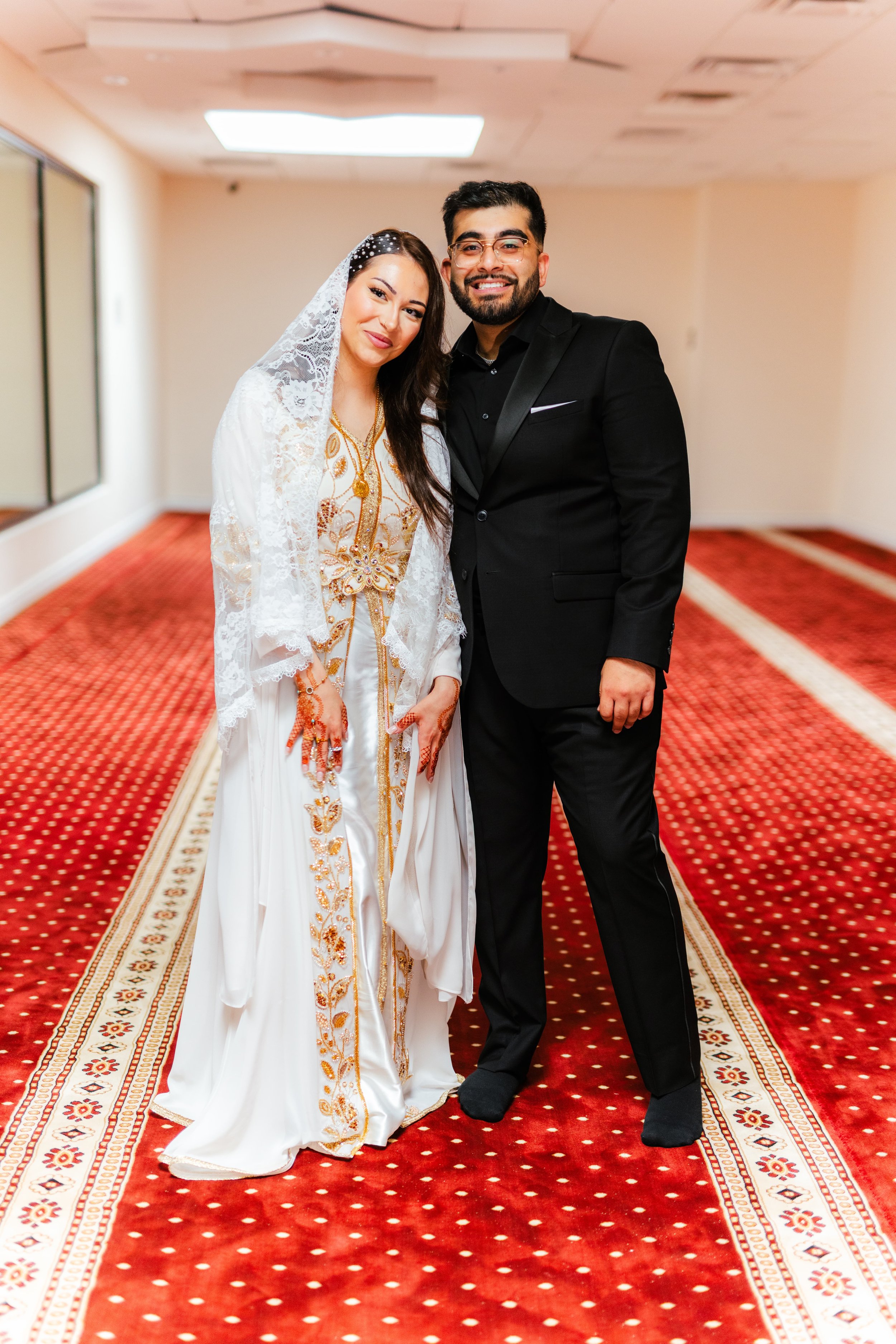
Wedding videography in Toronto
Start by watching full films, not only short highlight reels. A highlight can look polished even when the full-day coverage is uneven, so ask to see one or two complete weddings from start to finish. Look for how the videographer handles low light, moving subjects and quiet moments, and whether the editing feels calm and natural or rushed. If you like what you see in a full film, that is a much stronger sign than a single favourite clip.
What is covered, and what is a highlight film?
Ask which parts of the day are covered, from getting ready through to the end of the reception, and whether a second videographer is included. A short highlight film is usually a condensed, music-led edit of the best moments, while a longer film or full ceremony and speeches edit gives you the day in more detail. Make sure you know which films are included, how long each one is likely to be, and whether you will receive both a highlight and a longer version.
How is sound captured?
Vows, speeches and music are often what make a wedding film feel personal, so ask how sound is recorded. Find out whether microphones are used for the ceremony and speeches, how background noise is handled, and whether the finished film uses the real sound from the day or mainly music over the pictures. Clear, natural audio can make a simple moment feel much more complete, while poor audio is hard to fix afterwards.
What will you receive, and in what format?
Confirm how the finished films will be delivered, whether by an online link, download or another format, and whether you can share them easily with family. Ask what resolution the files will be in, whether you will receive raw footage as well as edited films, and how the files can be stored or backed up. Knowing this in advance avoids surprises when you are looking forward to watching the film for the first time.
What happens if equipment fails or plans change?
A wedding cannot be repeated, so backup planning matters. Ask whether spare cameras, batteries and memory cards are brought, how footage is stored during and after the day, and what happens if the videographer is ill or an emergency comes up. You do not need a technical answer, but you should feel confident that there is a plan for the things that can go wrong, rather than a hope that they will not.
What should the contract make clear?
Read the contract before you sign, and check that it lists the date, location, hours of coverage, films included, payment terms and cancellation terms in plain language. Ask how changes to the plan are handled, how many rounds of revisions are included, and what happens if delivery is delayed. A clear written agreement protects both sides and makes the rest of the planning much easier.




See the Weddings and Engagements page for wedding work. See the Service Areas page for GTA coverage. That includes Burlington, Etobicoke, Hamilton, Brampton, Vaughan, Richmond Hill, Markham, Scarborough and North York. Get in touch via the Contact page.
